A Peck
of Hope

Poultry rescue · Sunshine Coast, QLD

Every life.
Every little
personality.

A lap to fall asleep on. A flock to belong to. The care to keep going. We help rescued hens and roosters find their feet—and give each one the best care we can.

Registered charity. Personal care. Every bird matters.

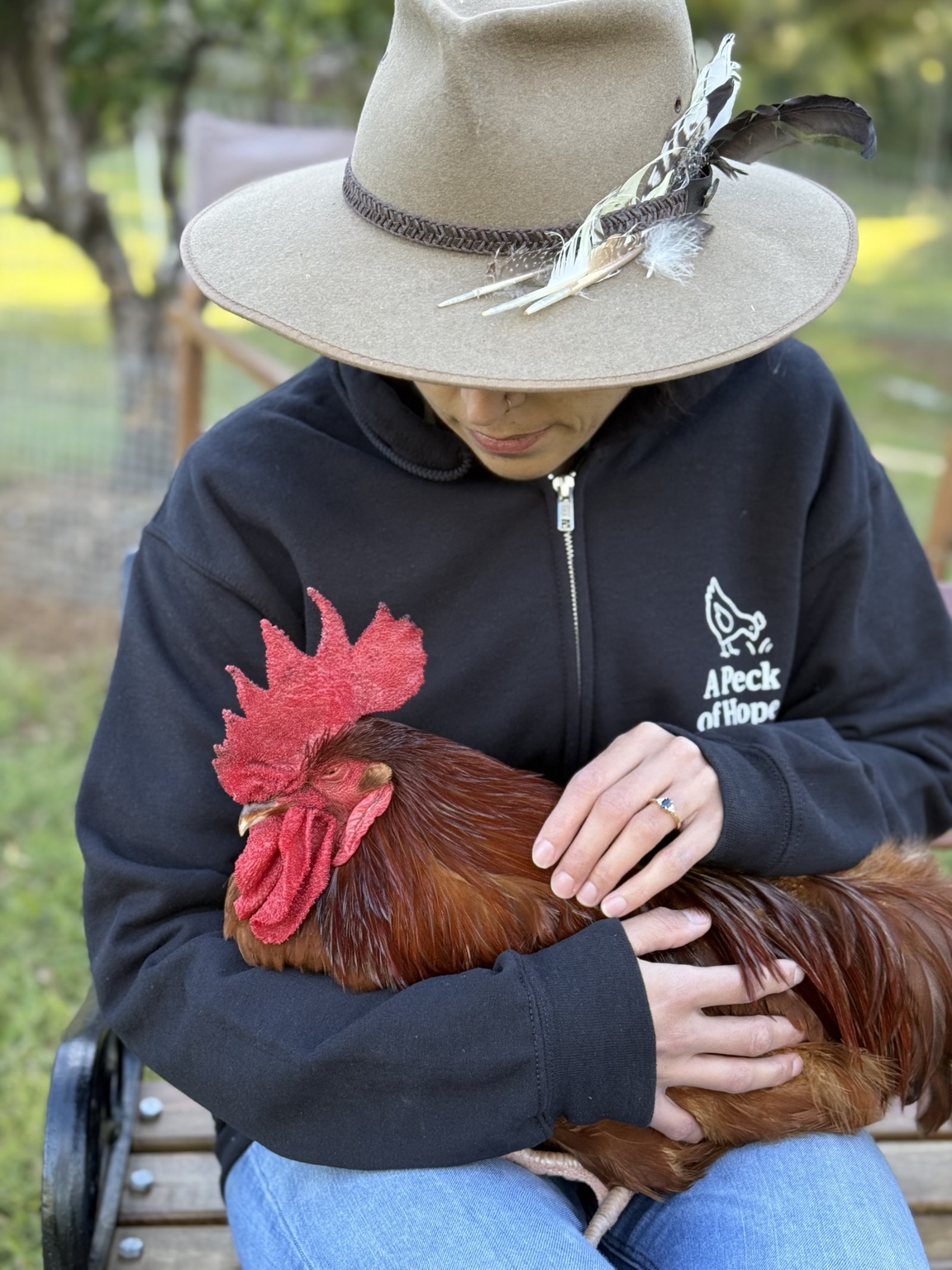
Eddie resting in a carer’s arms outdoors, with the A Peck of Hope logo on their jumper
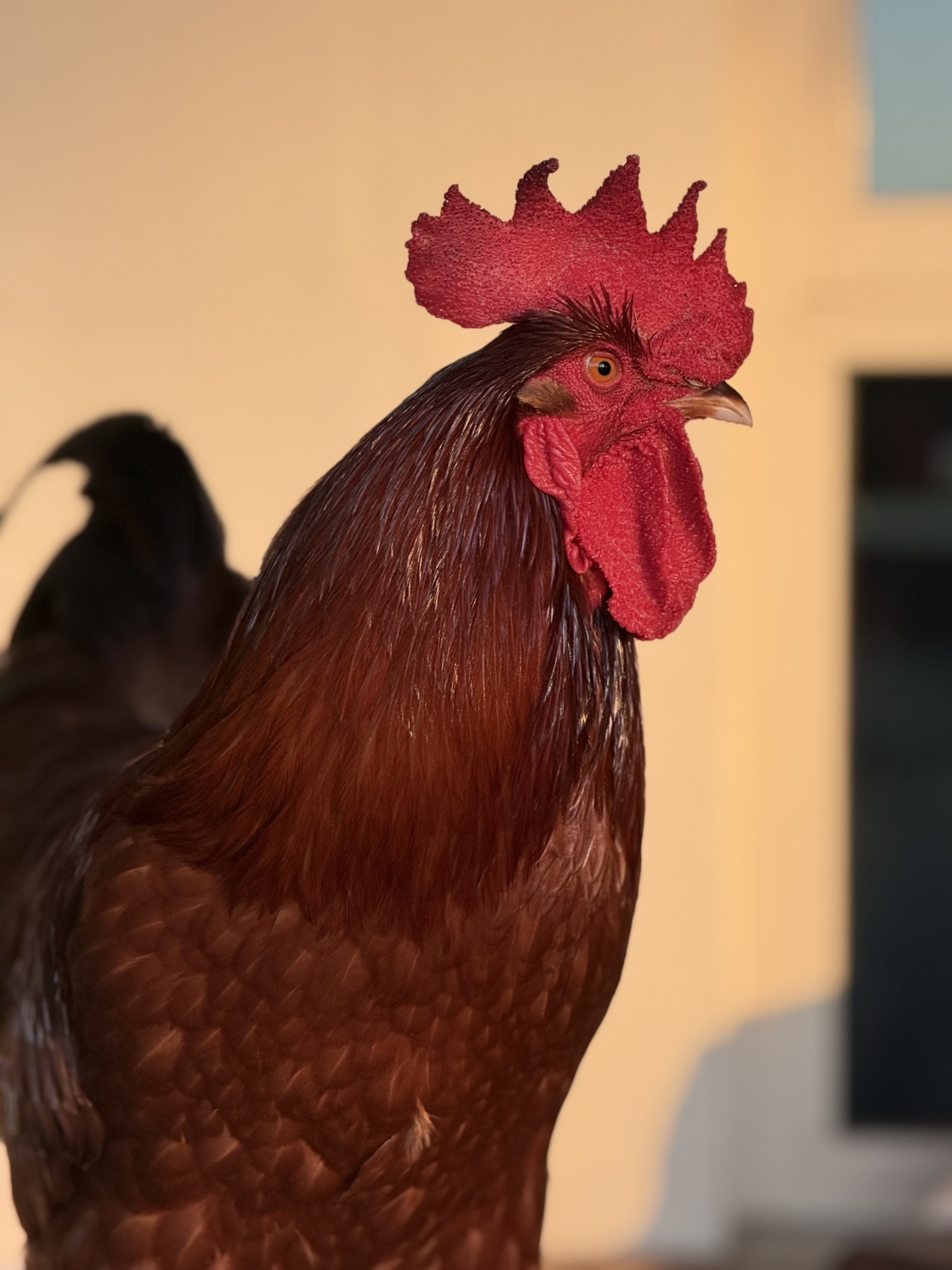
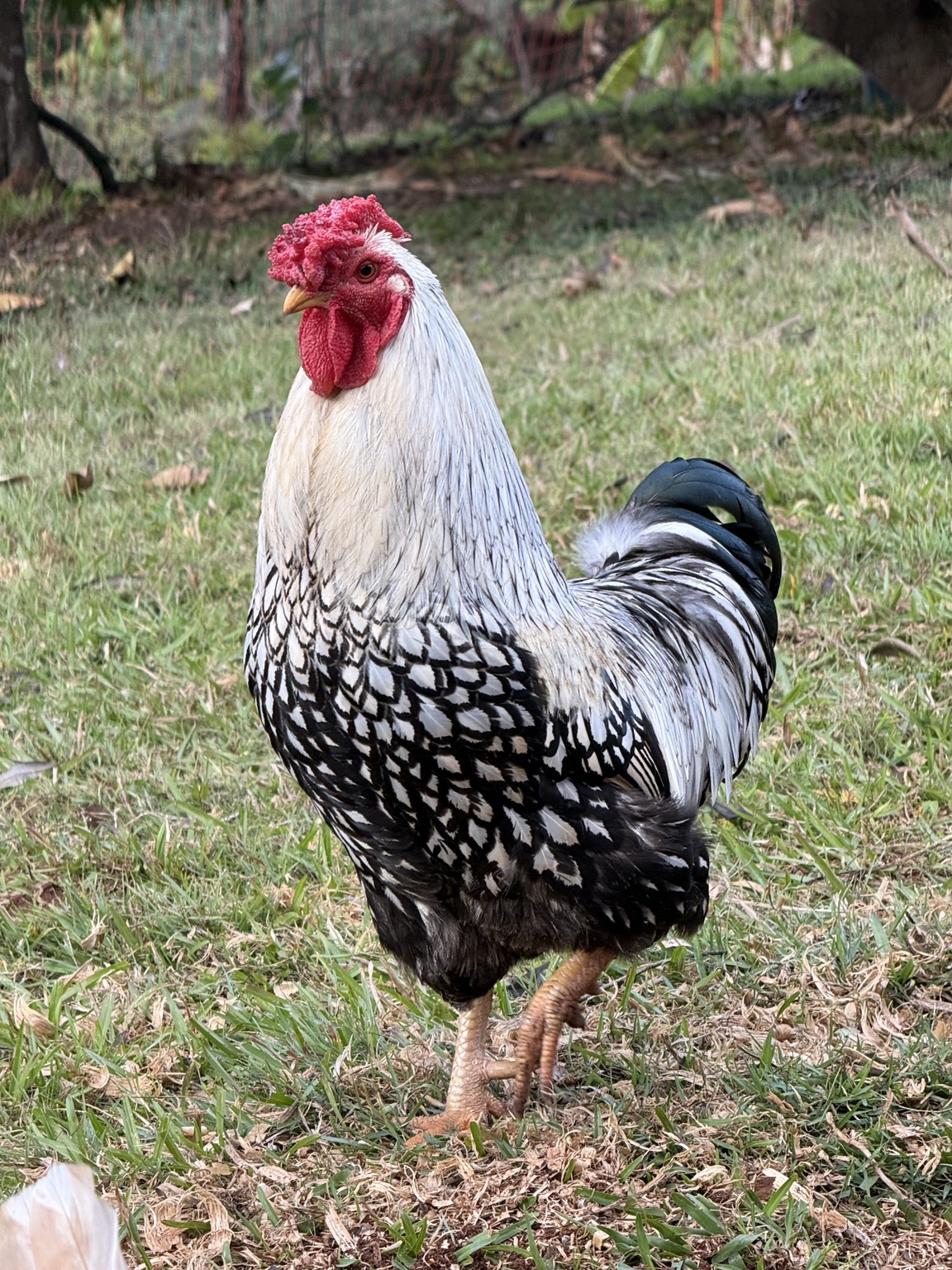
This is Eddie.Rooster. Watchkeeper. Lap enthusiast.
Rescue & ongoing rehabilitation Care for the individual A kinder life for poultry

The lives behind the names

Get to know
a few of the flock.

Some are cuddly. Some are bossy. All have their own way of telling us what they need.

Rescue is the beginning

Care that changes
with their needs.

Feathers growing back can be a wonderful milestone. For many of our birds, rehabilitation and veterinary care continue long after that.

01

Ongoing veterinary treatment

Most of our rescued ex-battery hens receive hormone implants on an ongoing or intermittent basis as part of their individual care. Donations help keep this care going.

02

Support when illness returns

Consultations, medication, tests, hospital stays and surgery when needed. We work with our vets to respond to each bird’s changing health.

03

Time, attention and a place to belong

Good food, suitable housing, careful introductions and daily attention. We learn who each bird is, including when they need a little extra help.

We’re grateful to the team at The Unusual Pet Vets Sunshine Coast for the veterinary care they provide our birds.

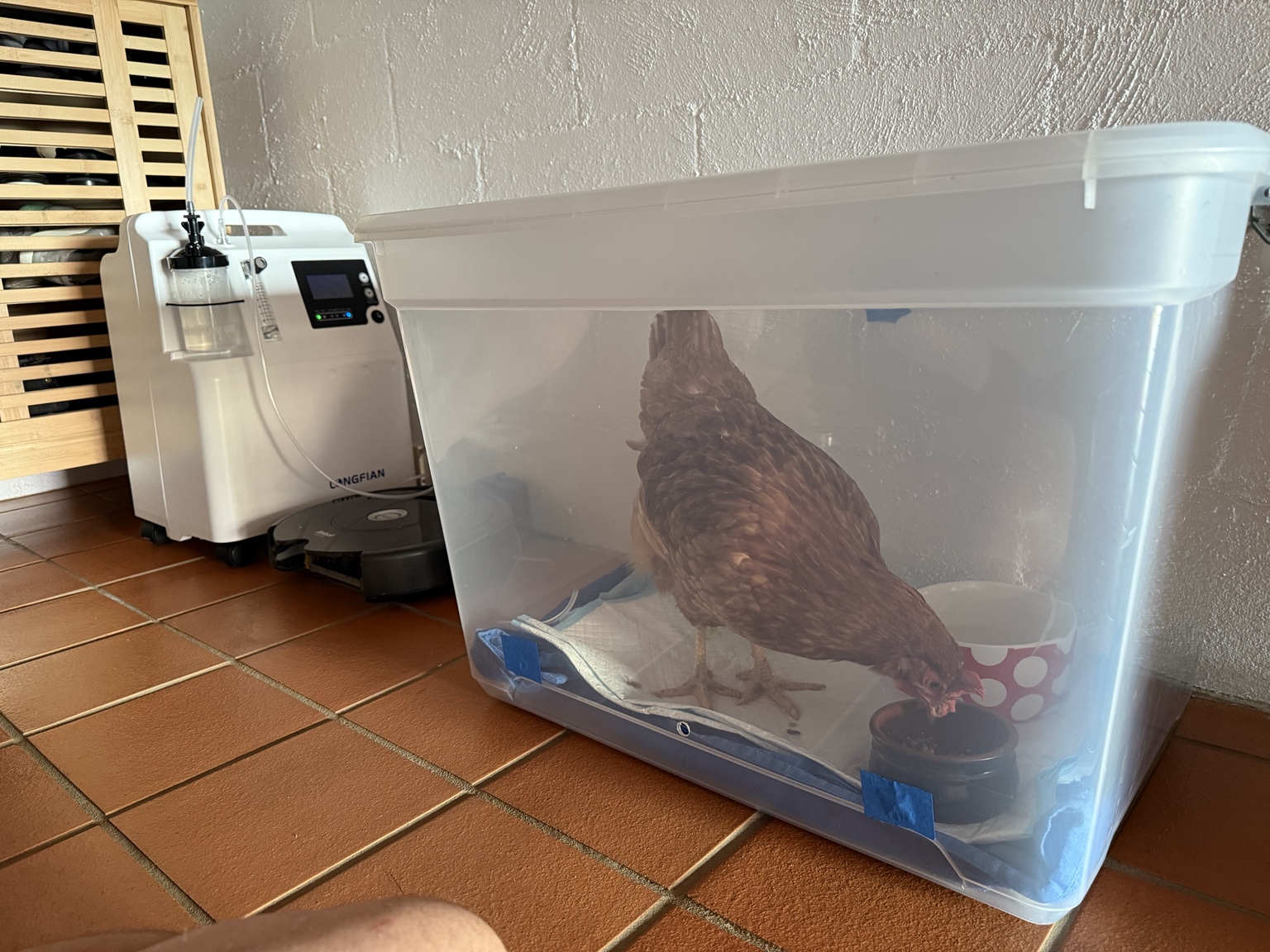
Polly in her home oxygen chamber beside the oxygen concentrator
384

hours of home oxygen support for Polly,
reported by September 2026.

After repeated trips to the vet for oxygen, we bought a concentrator and built a brooder to support Polly at home.

Read Polly’s story
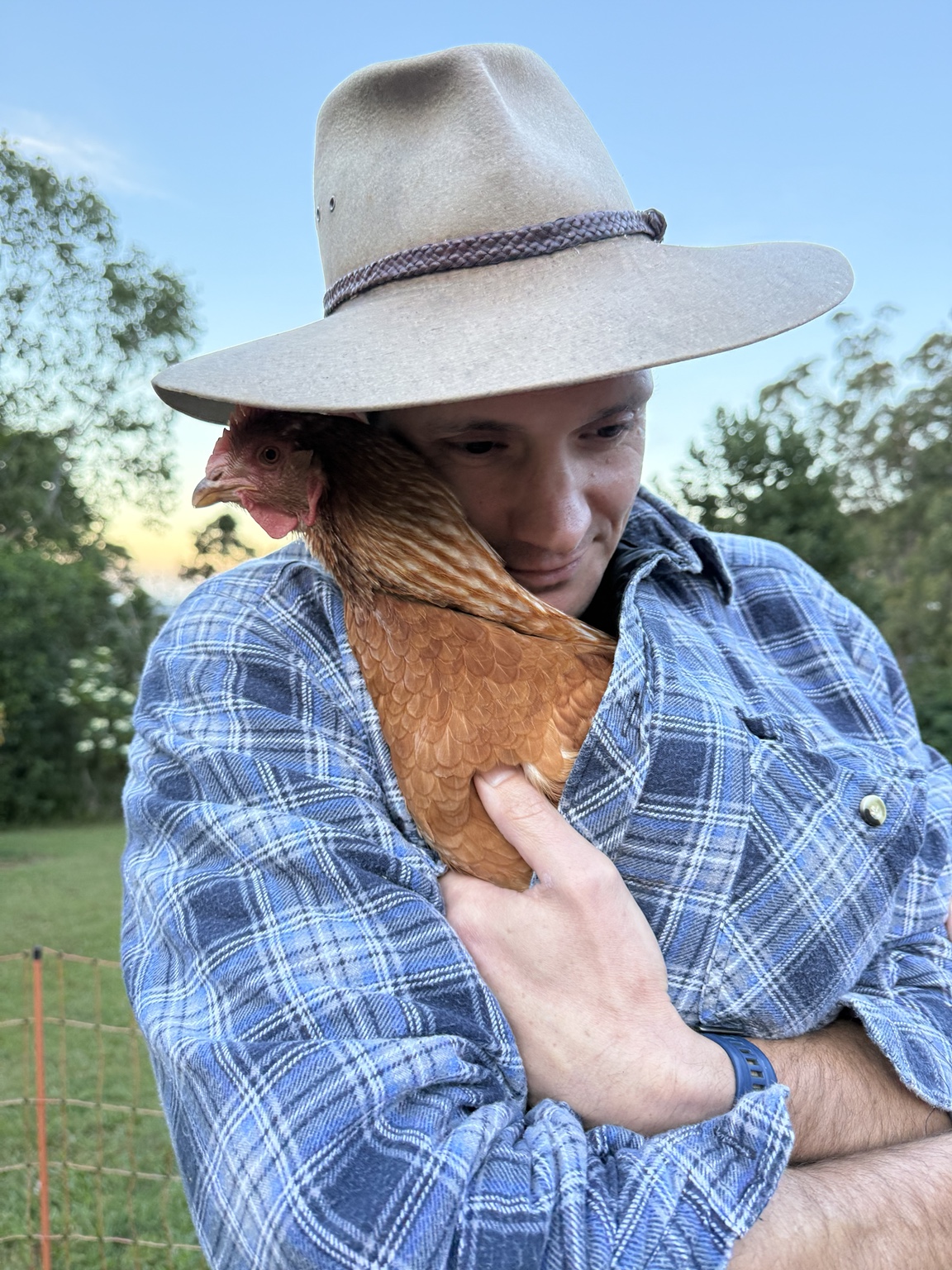
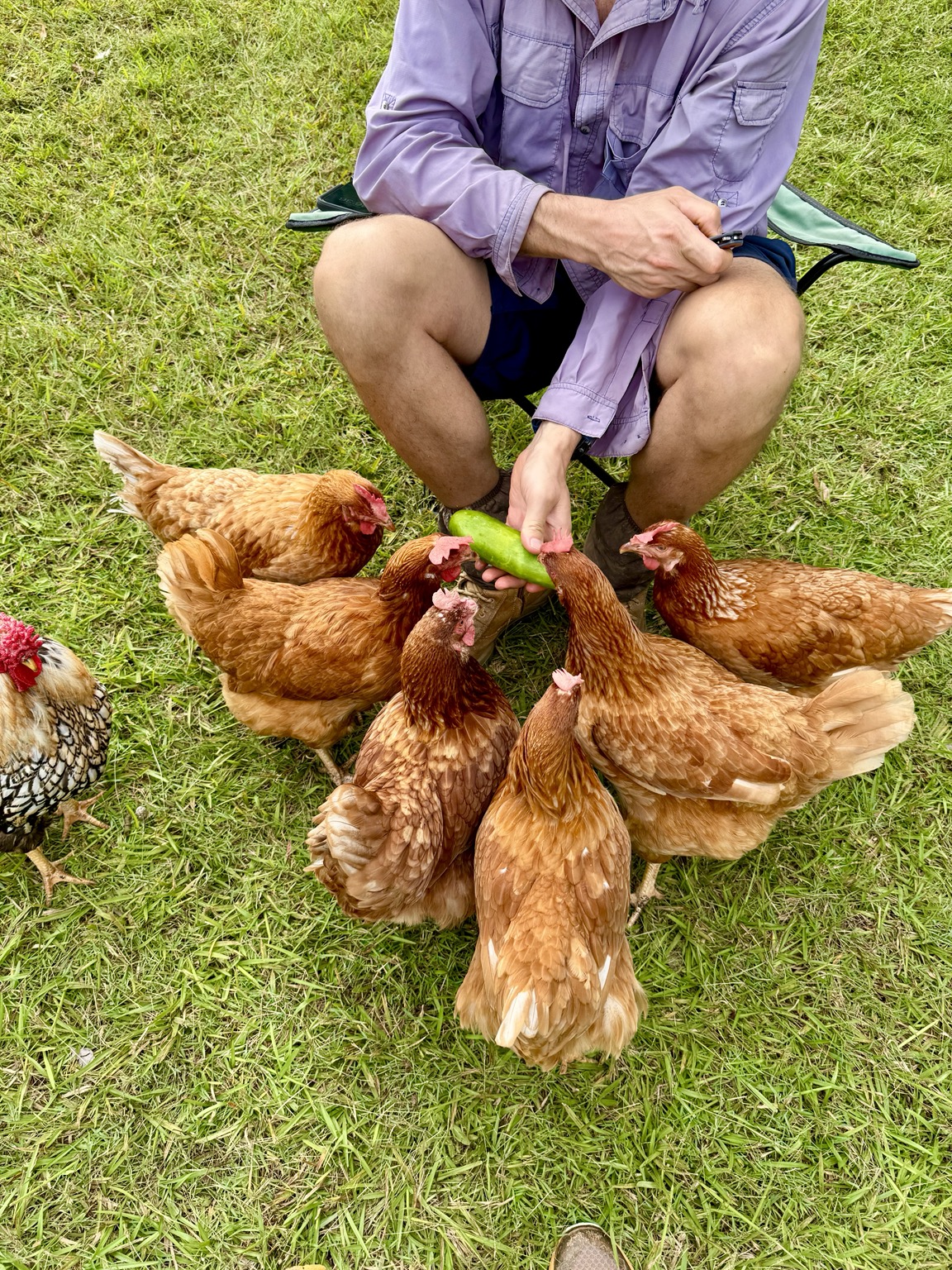
Sam holding a rescued hen against his shoulder beneath the brim of his hatRescued hens gathered around a cucumber offered by Sam

Hello, we’re Sam and Fay

It started with
a few chooks.

We brought home five-week-old chicks while living in Cairns, and fell for their personalities. When one turned out to be a rooster—Maggie—we discovered how hard finding a good home for a boy could be.

Maggie’s story had a happy ending: a 14-hour return drive to a colleague who still has him. Tina and Lucky, two hens found dumped near home, became our first rescues.

Then came our first six ex-battery hens. Watching depleted, feather-bare birds recover and reveal their individual characters changed us. We started A Peck of Hope so we could help more animals.

Today, we fit the birds’ care around full-time work on the Sunshine Coast. We provide the highest level of care we can afford for each animal, because every life matters to us.

Sam & Fay
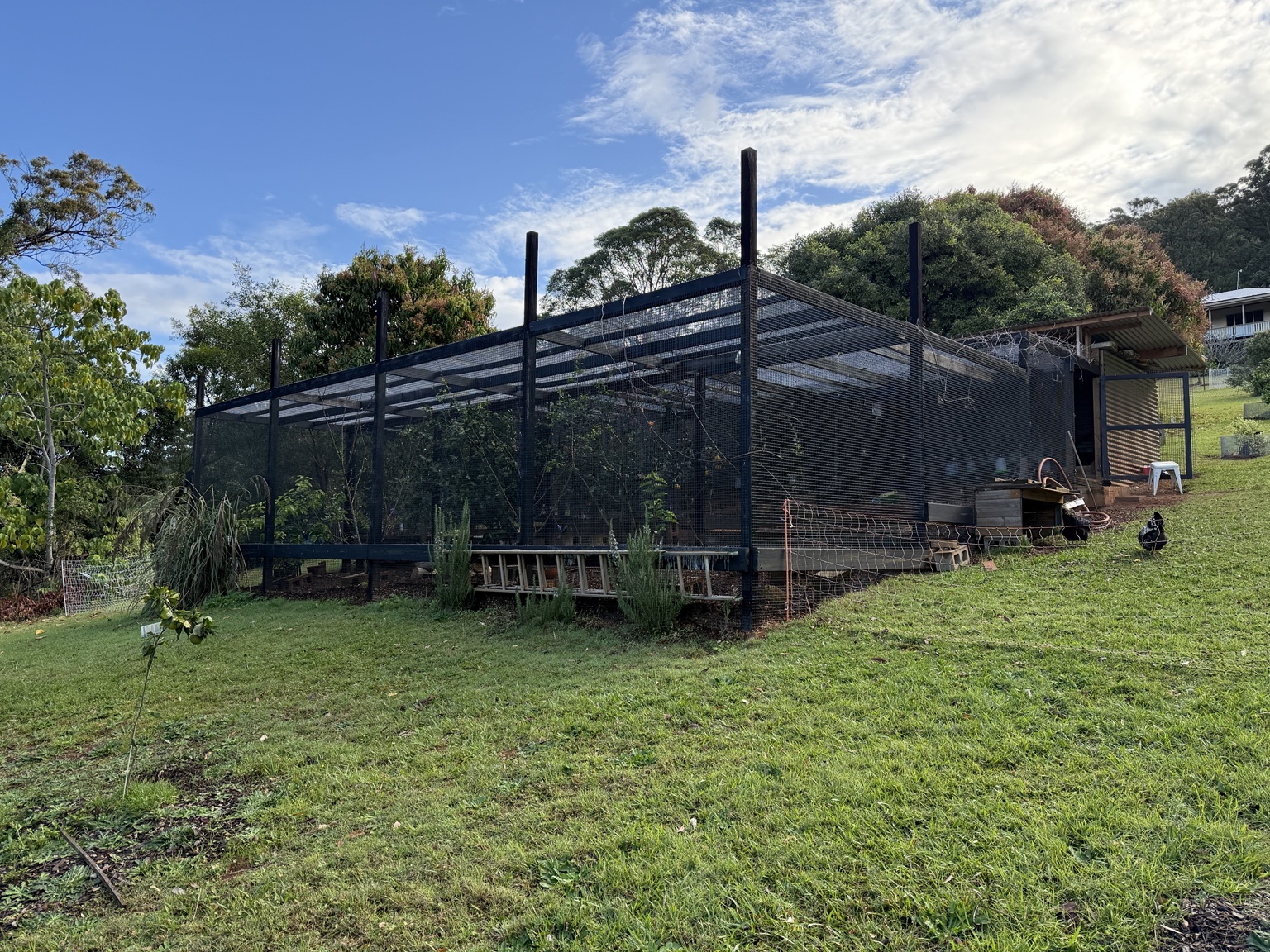
Our expanded mesh-covered poultry enclosure and adjoining coop on the grassy hillside
Our expanded poultry housing, September 2026.

A place to recover.
Room to be a chicken.

Our birds stay in our care, with their housing and routines adapted around their needs. Some need ongoing support indoors; others spend their days with their flock.

There’s more than one way to help

What happens
to the boys?

Maggie and Eddie made this question personal for us. Roosters deserve care and consideration, whether they come from a backyard hatch, a school project or commercial egg production.

You don’t have to share the same diet to care about animal welfare. We want people to ask questions, understand how animals are treated, and do what they can to avoid supporting cruelty.

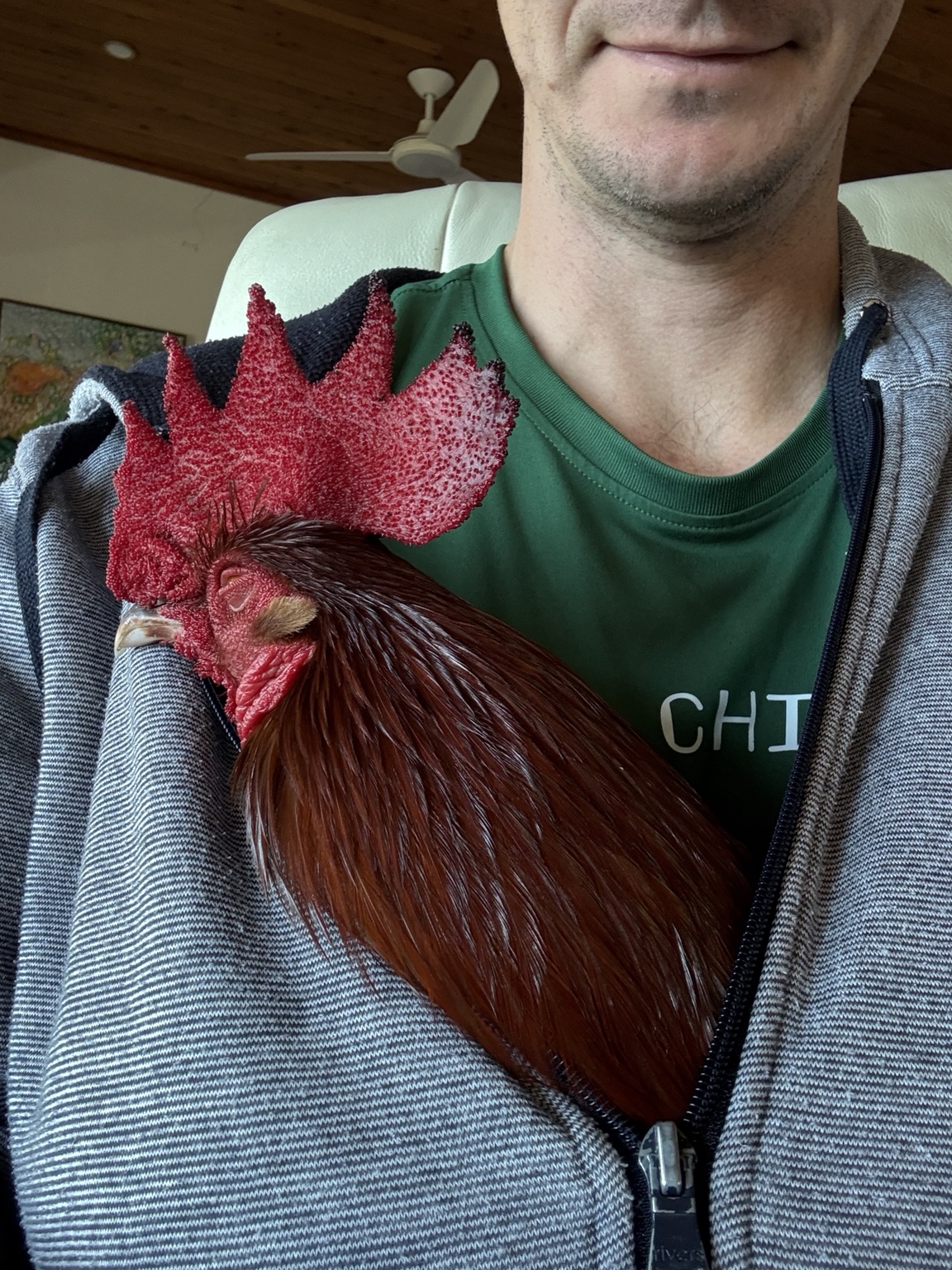
Eddie asleep inside Sam’s jumper
Eddie has a flock now. He still prefers the house.

Before hatching chicks

Have a realistic plan for every bird—including the roosters. Ask schools and hatching providers what happens to the boys once the project ends. The RSPCA identifies unwanted male chicks as one of the welfare concerns.

RSPCA: school hatching projects

Look beyond the label

Ask how hens live, how illness is treated and what happens when laying slows. Outdoor access alone doesn’t guarantee good welfare; conditions inside the shed matter too.

RSPCA: understanding free range

Ask about male chicks

In commercial egg production, most male chicks are killed soon after hatching. Ask egg producers what they do, and whether they are adopting alternatives that avoid this.

RSPCA: male chicks in the egg industry